How To Grow Topiary
Topiary is the art of training plants into different shapes, and it’s a fascinating way to add your own unique touch to your garden. The range of shapes that can be achieved with clever pruning is amazing, from simple balls and cones to elaborate models of elephants and even peacocks! All you need is patience, a suitable plant and some sharp secateurs. Here’s our simple guide to making your own topiary.
 |
Choosing the best plants for topiary
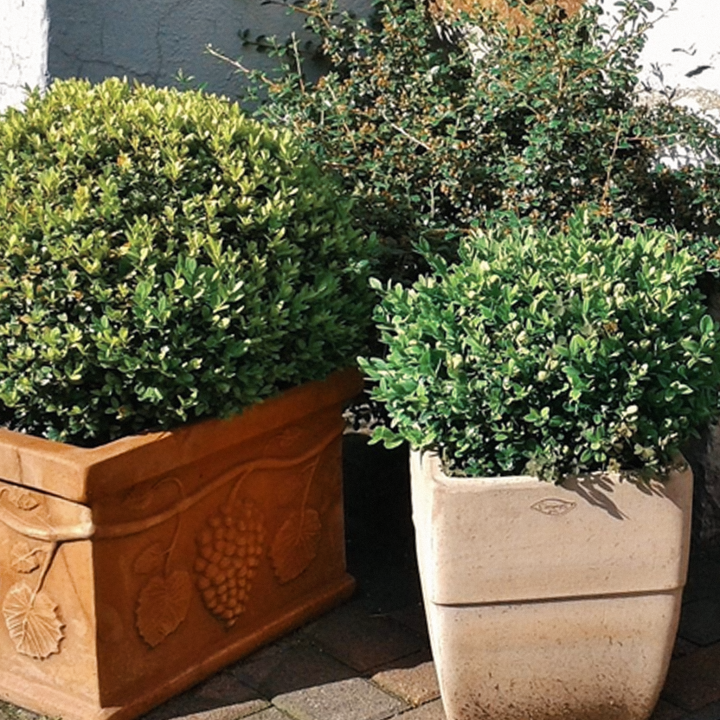
Box (Buxus sempervirens) has traditionally been a favourite choice for topiary, with its small leaves, dense growth and ability to be neatly clipped into shapes. Sadly, in recent years, box blight and box tree caterpillars have made it difficult to grow healthy box plants in some areas, but there are plenty of other suitable plants to choose from for your topiary.
Others to consider...
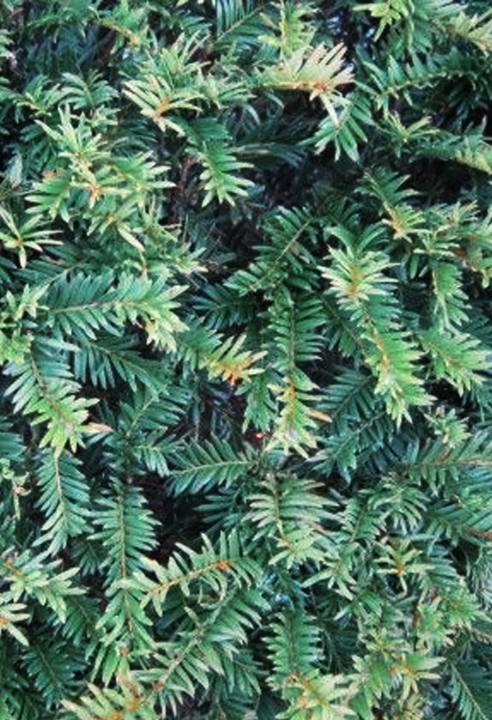
Yew (Taxus baccata), one of the few conifers that will grow back after hard pruning, is another classic topiary plant, especially for large shapes. Other plants that work well are Delavey privet (Ligustrum delavayanum), bay (Laurus nobilis), holly (Ilex aquifolium), Japanese holly (Ilex crenata) and shrubby honeysuckle (Lonicera nitida).
 |
How to create a topiary
- To create a topiary from scratch, choose a well-developed, bushy plant with dense, healthy growth that suits the shape you want to produce (for example, a rounded, bushy plant if you are planning a ball-shaped topiary, or an upright conifer for a corkscrew or cone shape).
- Plant your chosen plant in a pot or in the ground. Feed and mulch it to promote strong healthy growth.
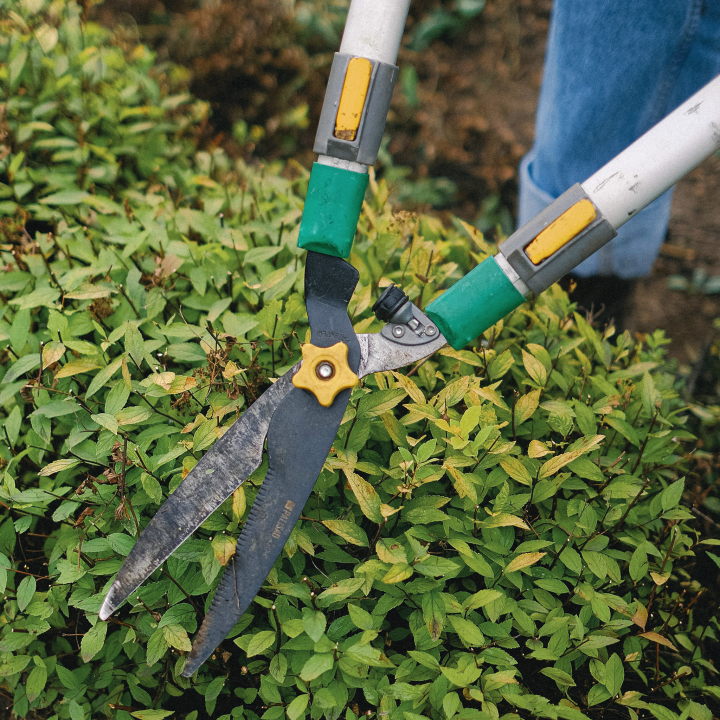
- Using sharp secateurs or shears, clip the foliage roughly into shape. You can make simple geometric shapes with your eye. For more complicated shapes, you may find it easier to make a template to fit over the plant to guide your pruning or to buy a frame. To create a lollipop topiary from a bushy shrub, select the most upright shoot to form the main stem, tie this to a cane to keep it growing straight and remove all other shoots from the base of the plant to achieve a clear stem. As the plant grows and bushes out, clip it into a rounded shape.
 |
- Creating topiary does require patience, as it can take several years for your plant to grow into the shape you’re after. If you want quick results, the simplest solution is to visit the garden centre and buy a plant that has already been shaped. You can then keep it to shape with regular pruning.
How to care for topiary
Water topiary plants regularly in dry periods, making sure you water around the roots. Feed container-grown plants monthly during the growing season with a balanced liquid feed. Prune your topiary annually in summer to maintain its shape. Fast-growing plants may need a second trim in late summer to keep them looking neat.
Want to try your hand at topiary? Come in and choose from our fantastic range of shrubs, and let your imagination go wild!
 |
 |