Potato Chitting, Step-by-Step

Tags:

Get your eggboxes ready; it's time to start your potato chitting! Potato chitting helps your potatoes by encouraging them to sprout and assisting early varieties to be ready even sooner.


What To Do

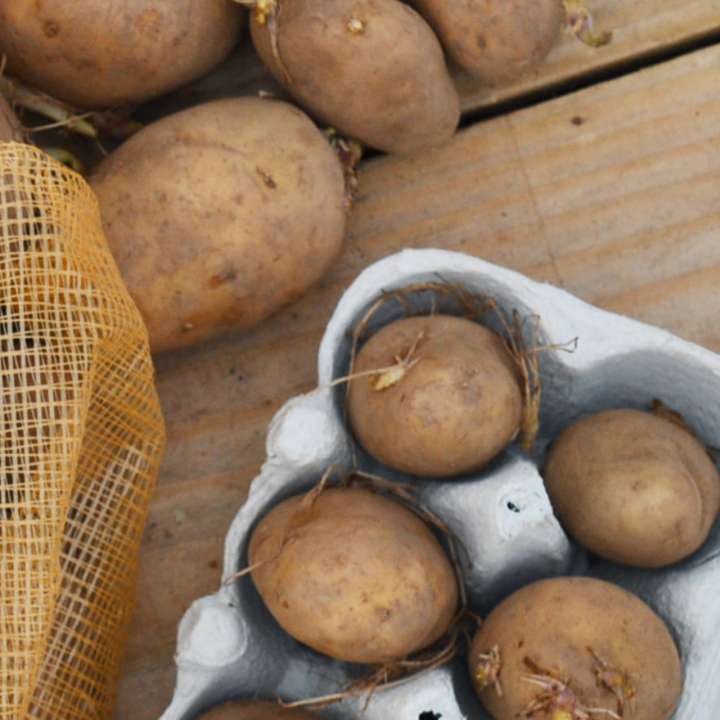
  • To sprout (or 'chit') the seed potatoes, place them in an egg box or seed tray with the eye facing upwards. This is where the potato will begin to sprout. Place in a light, cool but frost-free room, ideally on a windowsill.

  •  Sprouts are ready to plant when they reach 2cm in length, which will take approximately 4-6 weeks.

  • Remember to label the variety for planting later!

You might also be interested in:

Pancake Recipe

With Pancake Day arriving this Tuesday, the 17th of February, there’s no better excuse to pop the kettle on and enjoy a plate of freshly made pancakes. Whether you prefer the classic thin, crêpe-style pancake enjoyed across Britain, or a slightly thicker Scotch pancake, this simple recipe is a family favourite — especially when topped with something delicious from our food halls shelves.

Read more...
Hooray for Helleborus

Elegant, low-growing evergreen perennial with leathery, deeply divided dark leaves. Saucer-shaped flowers, in shades of white, pink, purple, red, and yellow. Stunning during late winter/spring

Read more...
Happy New Houseplants

January can seem a bit bleak with the decorations and lights down after Christmas, and the house can feel empty. What's the solution to lift your spirits and brighten up your home? HOUSEPLANTS! Adding that simple touch of green really helps to make a home look cosy and adds freshness to the room. There's a houseplant for everyone and almost any situation, whether you're a novice or a houseplant pro! Want something high-impact? Why not choose a larger plant as a focal point in your room. Or maybe you prefer something small you can watch grow on - this is also a good way of getting kids interested in plants.

Read more...
Cullen Skink Recipe

The soup originates from the town of Cullen in Moray, on the Scottish northeastern coast. Traditionally, the word "Skink" is used to describe a broth made with beef scrapings. In the 1890s, these scraps of beef became hard to come by. However, at this time, Cullen’s harbour was a thriving fishing port. So the people of the town decided to use smoked haddock in their soup. From this, the Cullen Skink we all love today was created.

Read more...