Top 5 Alternatives To Box Hedging
Gardeners have been trimming box plants into weird and wonderful shapes for centuries, right back to Roman times! Box (Buxus sempervirens) was a must-have for Tudor palace gardens and is still one of the best-known hedging plants. Sadly, in recent years box has struggled in our gardens, first with box blight and then the arrival of the box tree caterpillar, which can quickly defoliate entire plants. Unwilling to give up their neatly trimmed hedges, gardeners have gone on the hunt for alternatives to box hedging, and here are five of the best.
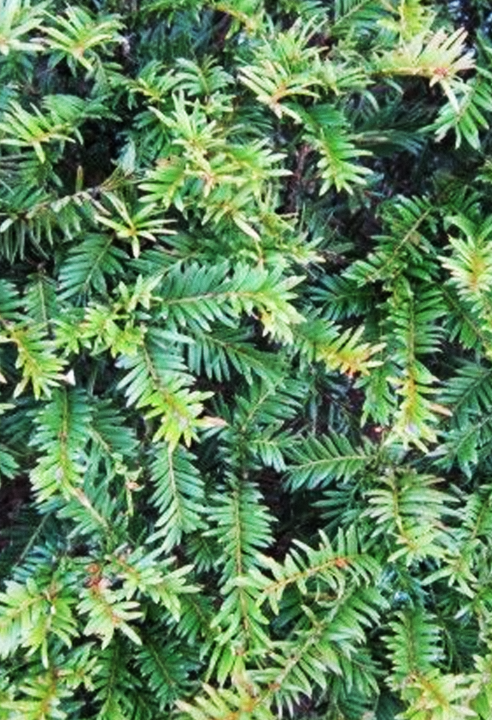 |
- Yew (Taxus baccata) is one of the best alternatives to box, and has been a popular choice for topiary for centuries. It’s dense and bushy and can be trimmed to shape. It’s also one of the few conifers that will grow back when cut back into old wood, making it possible to renovate plants that have got out of control. The new leaves are bright green, contrasting strongly with the darker green mature foliage. Yew grows in sun or shade and in any soil that isn’t waterlogged. Trim it in spring and autumn to keep it looking neat.
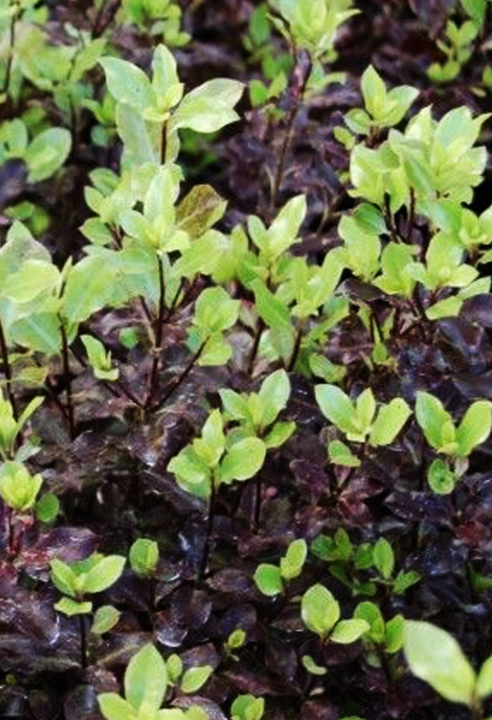
- Pittosporums are proving an excellent alternative to box in many gardens, and a wide range of foliage colours are available. Pittosporum ‘Tom Thumb’ grows naturally into a rounded shape, striking maroon-purple foliage, and bright green new growth. Pittosporum ‘Irene Paterson’ has white-marbled green leaves that take on a pink tinge in winter. Most pittosporums are hardy to around -10 °C, so will work well in most gardens except those in very cold areas. They do best in full sun, although they will cope with some light shade. Trim once or twice a year from mid-spring to late summer.
 |
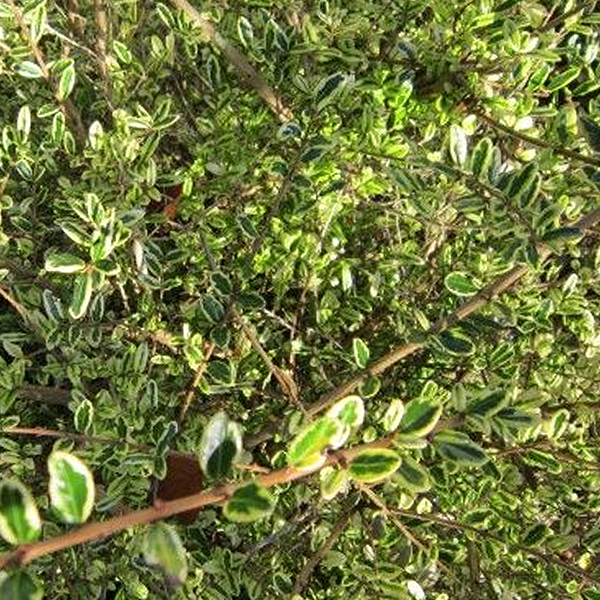 |
- Lonicera nitida (shrubby honeysuckle) is a good substitute for box, with very similar small green leaves. It grows into a dense shrub and can be trimmed to shape. Low-maintenance and drought-tolerant, it will grow well in sun or part shade. Lonicera nitida ‘May Green’ has deep green foliage, but yellow-leaved or silver-variegated varieties are also available.
-
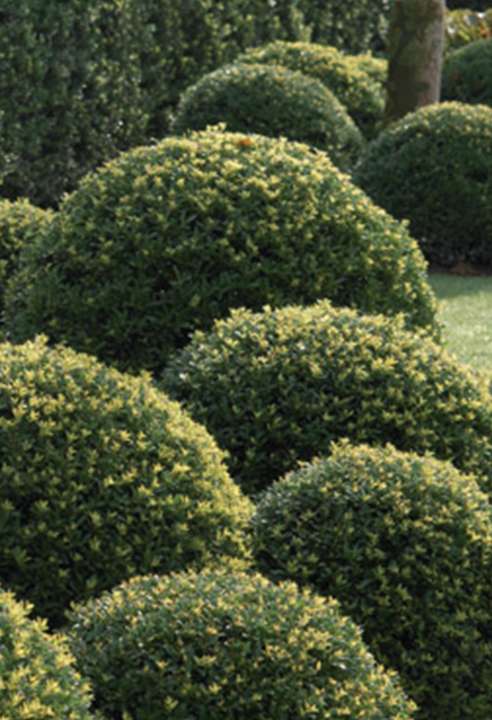
Ilex crenata is a fantastic alternative to box. It looks very similar but doesn't suffer from the same pests and diseases that box is prone to. Trim in early spring to keep a good shape. Hardy down to -20 °C, Ilex crenata likes a spot in full sun or partial shade in a moist but well drained soil.
 |
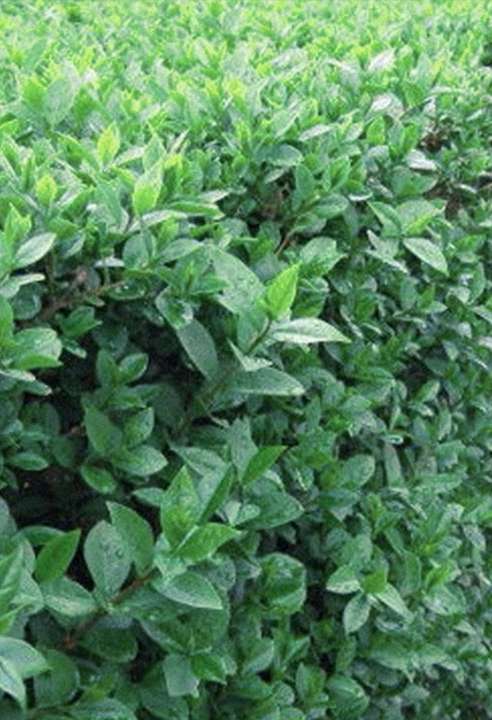 |
- Privet (Ligustrum ovalifolium) is robust and quick-growing. It copes well with most soil conditions and is happy in sun or part shade. It’s also tolerant of pollution, making it a good choice for urban gardens. Privet forms a dense shrub that can easily be pruned to shape, although this does mean losing the sprays of white flowers that appear in summer. Trim in May and August to keep it looking neat.
 |