6 low-cost garden makeover tips
After a long winter, our gardens often need a bit of sprucing up, but it doesn’t have to cost a fortune. With these six tips, you can give your garden a new look without breaking the bank!
- Clear away any old plant pots, stray footballs and other bits and pieces, so that you can see what’s needed in the garden. Rake up any remaining fallen leaves and put them in a black bag somewhere out of sight to break down into leaf mould.
- Clean paths and patios to get rid of moss and algae. A hard-bristled brush and a bucket of hot soapy water will do wonders, or you can hire a pressure washer, but take care when using this as it can damage the surface of paving stones. Spray from a distance at an angle of around 30 degrees, using the fan spray rather than the jet, and sweep the spray in a diagonal movement across the pavers to avoid damaging the pointing.
- Give your garden furniture a refresh. Hot water and mild detergent soap is ideal for cleaning up wrought iron furniture. Add vinegar or bleach to the mix to clean teak furniture, and use a soft brush. A new coat of paint gives wooden furniture a new lease of life and adds colour to the garden.

- Re-cut and trim your border edges. After a few years, borders can start to blur into the lawn, and re-cutting the edges is a quick way to make your garden look better. Use a half-moon edging tool to dig a new edge or re-emphasise an existing one. Press the curved blade into the ground with your boot to cut through soil and turf, then use it as a spade to lift out the clumps of soil, creating a groove around the edge of the bed. To make a straight line, lay down a wooden plank and cut against this. For a curve, use a length of rope to outline the shape you want to achieve, then cut along this line. Once the edge has been cut, use edging shears to trim the lawn along the edge, giving a neat, crisp effect.
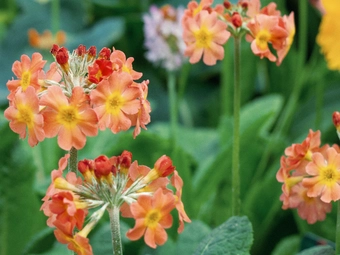
- Sow hardy annuals for summer colour. Nigella, calendula, poppies and cornflowers are some of the most popular hardy annuals. They’re very easy to grow from seed and will give you months of colour in summer.

- Trim the hedges. A well-trimmed hedge gives a garden shape and structure, and spring is a good time for a trim. Before you start, check that there are no birds nesting in the hedge, as it’s illegal to disturb nesting birds. Make sure your shears are sharp, as this not only gives the best effect, but is also better for the plants, making clean cuts which will seal faster.
If your outdoor space needs a makeover, visit our centre where you’ll find all the plants, seeds and garden tools you need to create your dream garden!