What To Do With Garden Waste
Have you ever wondered what to do with garden waste when you are clearing up or clearing out your garden? Throughout the year, there are times when you might have some garden waste to dispose of or recycle. If you're creating a new garden bed, a new seating area, removing old decking or patios or even just doing some weeding, there are always garden projects that may create waste. But it’s what you do with that waste that counts.
 |
Composting
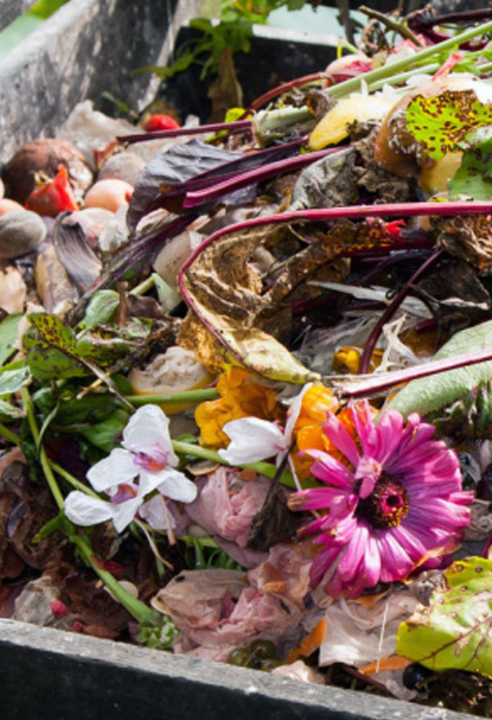
The top of the list has to be composting. Producing your own compost is the best and cheapest way to replenish your garden. You could make some wooden compost bins from old pallets and compost a lot of your green and brown waste from your garden. Compost can consist of grass clippings, leaves, plants, annual weeds, cardboard, twigs and even your tea bags from your garden cup of tea.
Reusing Wooden Items
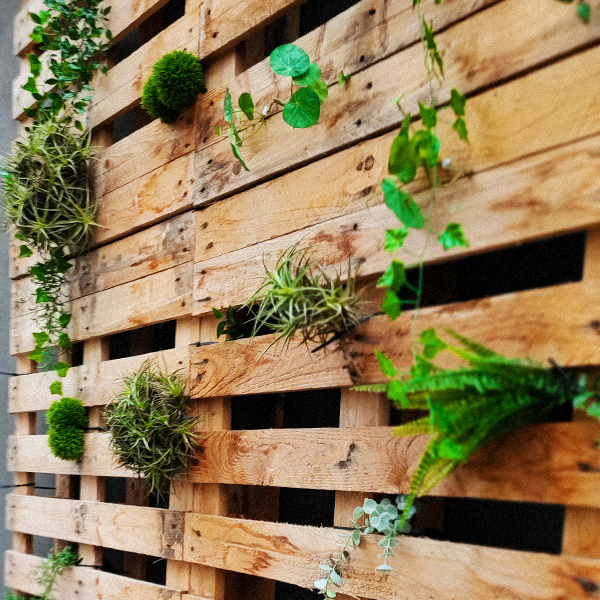
Many used wooden garden items can be reused in various ways. Logs can be piled up in a corner which will help to attract wildlife to your garden and increase biodiversity, or be made into a path, edge garden borders or used in a fire pit. Old fence panels can be made into raised beds, compost bins, insect hotels and even shelves in your shed.
 |
Selling paving slabs
If you are removing an area such as an old patio and have a lot of paving slabs, why not sell them to someone else who will collect and reuse them? If you have no need for them, they can even be donated to a local community project. Otherwise, they can be used for new garden pathways or even broken up and used as crazy paving along with some shingles.
Waste disposal services
If you do have a lot of waste and no way to reuse it, check out your local waste disposal services. Some larger items may be collected from your home, sometimes at a cost, and this is by your local council. Other items can be taken to a local recycling centre.
 |
Making leaf mould
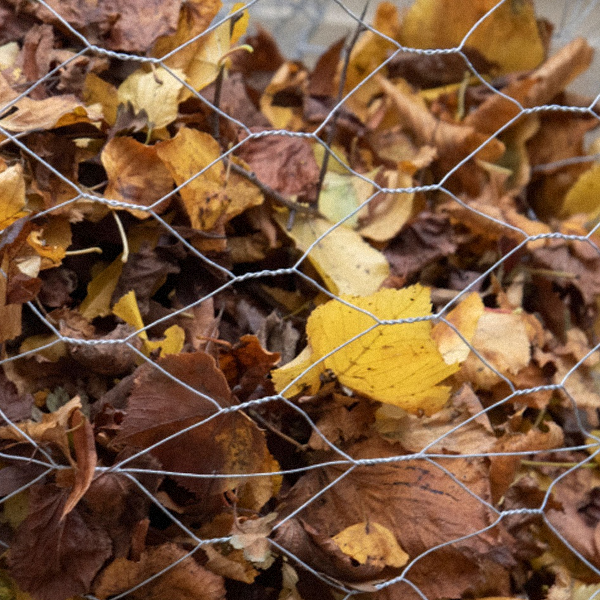
Along with compost, if you have a lot of leaves, why not rake them up and store them in bags to make your own leaf mould? Leaves are nature's way of replenishing the soil, and leaf mould can be used as a soil improver and to mulch around your garden plants.
 |